04 // The Foundation Floor
LIGHTS-OUT AUTONOMOUS MANUFACTURING
The Foundation Kinetics manufacturing environment is not designed for human occupancy. It is designed for robotic sensing, contamination control, and continuous-duty operation. When the factory is optimized for human workers, it includes overhead lighting, climate control for comfort, safety railings, break rooms, and shift-change procedures. When the factory is optimized for robotic workers, all of that disappears.
Inert atmosphere prevents oxidation during fabrication and eliminates fire risk. No visible lighting saves energy — Foundation Kinetics machines perceive in infrared, structured light, and LIDAR. Overhead magnetic rail transport and ceiling gantries supplied by Highfield Magnetics handle heavy component movement without floor-level congestion. The environment is optimized for robotic perception, not human ergonomics.[19]
A conventional factory operates at approximately 60% uptime. Humans require breaks, shift changes interrupt production, and maintenance windows must be scheduled around labor availability. The Foundation Floor targets greater than 95% uptime through autonomous condition monitoring: FK-4 Scarab swarms continuously inspect every actuator, bearing, and structural member. When a manipulator shows degraded performance, Scarabs diagnose the fault and schedule intervention during natural production gaps. Modular quick-connect interfaces — M5 grid, CANbus backbone, magnetic connectors — allow subsystem replacement without line shutdown.
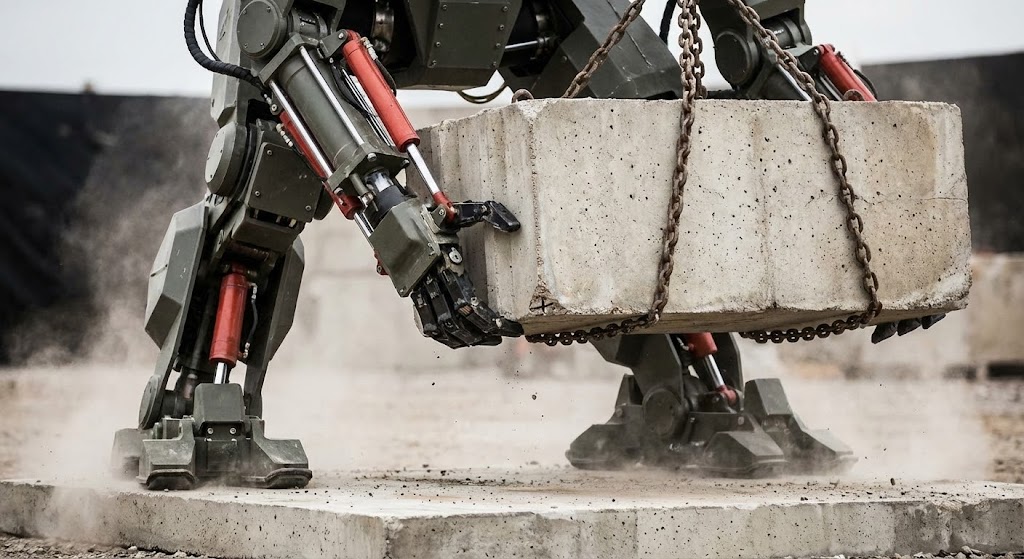
FIG 3.0: THE FOUNDATION FLOOR — LIGHTS-OUT AUTONOMOUS MANUFACTURING
Modular interface standard. T-slot aluminum extrusion organized on an M5 grid provides genuine modularity without bespoke fabrication. Every subsystem — arm base, battery pack, sensor bracket, end effector — mounts through repeatable bosses on this grid. Magnetic connectors bridge mechanical and electrical domains: four to eight power and data lines through a mechanical interface that works reliably under repeated insertions, with magnets ensuring polarity correctness and contact geometry enforcing power-after-data sequencing.[10]